
Is AI a Climate Risk? Data Centres & Sustainability in Tech
At Terraguard, we help organisations take back control of their IT. Usually, that means providing visibility into asset lifecycles or secure disposal. But lately, we’ve been looking at a much bigger "grey area" impacting sustainability in tech: the physical reality of the AI revolution.
While we focus on the digital benefits (speed, automation, and scalability), the physical footprint of power-hungry data centres is becoming a major risk to our climate goals and local resources.

The Facts: AI is on the Grid, Not Just the Web
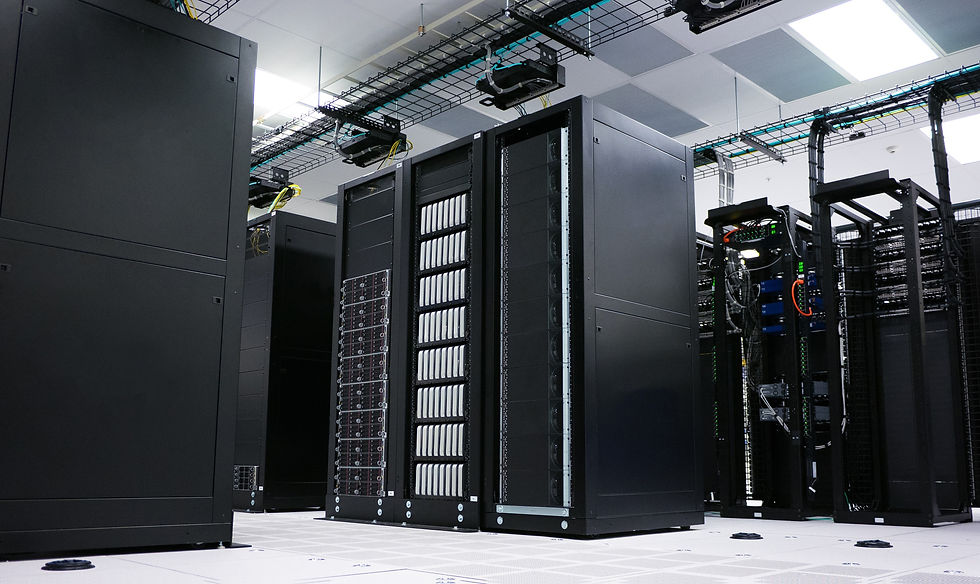
It’s easy to forget that every AI prompt triggers a physical machine. Here is the reality of sustainability in data centres:
The Energy Surge: A single AI query can use 10x the power of a standard Google search. This demand is so immense that major tech firms are seeing carbon emissions jump by nearly 50%. The industry is effectively gambling that infrastructure which doesn’t exist yet will somehow catch up.
The Thirsty Infrastructure: To keep these server warehouses cool, they consume millions of litres of water daily, often in water-stressed regions.
Data Centre Efficiency & Sustainability
The conversation around sustainability in tech often ignores the energy wasted in data centres. In 2026, as much as 65% of stored organisational data is "Dark Data" (information collected but never used).
This is where true efficiency is lost. Storing redundant, unoptimised data is like leaving the lights on in a thousand empty rooms. Global data centres are estimated to consume over 1,000 TWh of electricity (a significant portion of which is spent maintaining this dark data).
It’s not just about the data you use; it’s about how efficiently you store the data you don't use. Many businesses fall into the trap of 'digital hoarding,' keeping redundant files in high-performance, 'hot' storage that requires constant power and cooling. By implementing automated data tiering, organisations can move inactive data to low-energy drives or even tape, which consumes near-zero power when idle.
Beyond tiering, data deduplication is a massive win for efficiency. By identifying and removing duplicate files, businesses can shrink their total storage footprint by up to 80%, directly reducing the load on global data centres. It’s a simple shift: stop paying to cool and power redundant copies of the same files. When you treat storage like a strategic asset rather than a bottomless pit, you’re not just saving money, you’re actively reducing the environmental strain of your digital footprint.
The Strategic Win: Efficiency Over Excess
While the world rushes to build new, resource-heavy machines, the real win is found in efficiency. This means making current technology work harder and ensuring retired tech finds a second life.
AI can be a climate ally, but only if we treat energy and water as first-order design constraints. For businesses, this means:
Optimised Storage: Cleaning out "Dark Data" to reduce server load.
Extended Lifecycles: Prioritising maintenance and upgrades over constant replacement.
The Circular Economy: Ensuring retired assets are securely repurposed, not sent to landfill.
Take Back Control of Your Tech Footprint
Don’t let your IT strategy become a climate gamble. Whether you're looking to reclaim your budget or improve your sustainability, we provide the end-to-end visibility you need.
Want to see how your IT budget can drive both efficiency and community impact?
Call us today: 01672 216 777 📞
For more information on this topic, visit: https://www.thetimes.com/uk/environment/article/ai-data-centres-uk-climate-change-7l5bwnmtd

Comments